


Taking Ownership of Health Concerns
More people are choosing to take the initiative when it comes to their health. Whether it’s a new symptom or a lingering issue that hasn’t been resolved, waiting for a GP referral isn’t always the preferred route. This shift is changing how healthcare is approached, with more individuals exploring ways to access services directly.
A good example is MRI self referral, which allows people to book an MRI scan without needing to see a GP first. For many, this offers reassurance and faster answers, especially when they’ve experienced delays or need clarity before committing to a particular course of action.
Redefining the GP’s Role
This move toward direct access doesn’t replace the need for GPs; it changes how they’re involved. Rather than acting as the sole gatekeepers of diagnostic services, GPs are becoming more of a guide and consultant. When patients arrive already armed with scan results, conversations can be more focused and productive.
It also allows GPs to prioritise cases that need more attention. With some patients choosing to self-refer for routine or investigative scans, more time can be given to complex cases, chronic illness management, or those needing urgent care. It becomes a more balanced approach to care delivery.
Improving Patient Experience Through Speed and Clarity
Accessing diagnostics directly can reduce wait times and help avoid the uncertainty that often comes with multi-step referral systems. When a scan is arranged quickly and results are delivered directly to the patient or shared with a clinician of their choice, it removes unnecessary back-and-forth.
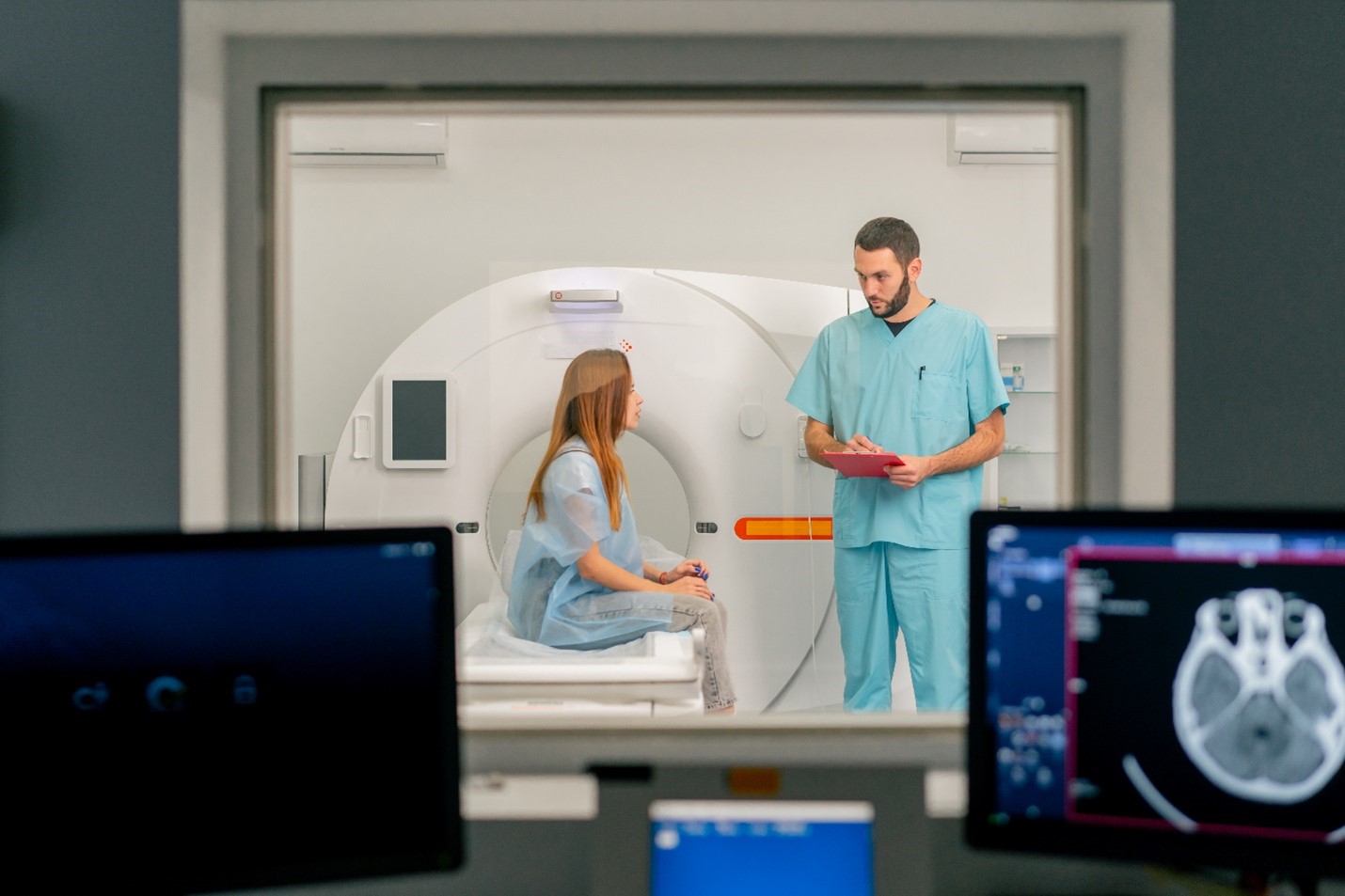
This quicker process can make a real difference to someone’s experience, especially when they’re anxious or in discomfort. Instead of chasing appointments or waiting weeks for results, they can move forward with their healthcare decisions in a more timely way.
Encouraging Proactive Care
When people have more choice and access, they tend to be more proactive about their health. Being able to request a scan when something feels off gives individuals greater control and can lead to earlier identification of underlying issues. It supports the idea that health is something to be monitored, not just reacted to.
Direct access doesn’t mean going it alone. It’s about giving people more tools and better options so they can make informed decisions. When combined with expert medical guidance, this approach can support faster diagnoses, better communication, and a more collaborative form of care.
Comments are closed.