

Introduction
Global supply chains form the backbone of modern industry. They connect raw materials, manufacturing hubs, logistics networks, and consumers across continents. As industries expand beyond borders, supply chains have evolved from simple linear systems into complex, interdependent networks that influence economic growth, innovation, and competitiveness.
What Are Global Supply Chains?
A global supply chain refers to the international flow of goods, services, information, and capital involved in producing and delivering products. It includes multiple stages:
- Sourcing raw materials
- Manufacturing and assembly
- Transportation and logistics
- Distribution and retail
These systems rely on coordination across different countries, often leveraging cost advantages, specialized skills, and regional efficiencies.
Evolution of Global Supply Chains
1. Traditional Supply Chains
Earlier supply chains were localized, with production and consumption happening within the same region. This limited scalability but reduced complexity.
2. Global Expansion Era
With advancements in transportation and communication, companies began outsourcing production to countries with lower labor costs. This led to:
- Growth of manufacturing hubs in Asia
- Increased international trade
- Cost-efficient mass production
3. Digitally Integrated Supply Chains
Today, supply chains are powered by data analytics, artificial intelligence, and automation, enabling:
- Real-time tracking
- Demand forecasting
- Inventory optimization
Role of Supply Chains in Industry Growth
Economic Expansion
Efficient supply chains enable industries to scale production and access global markets. This contributes to:
- Increased GDP growth
- Job creation across regions
- Expansion of multinational corporations
Cost Optimization
Global sourcing allows companies to:
- Reduce production costs
- Access cheaper raw materials
- Improve profit margins
Innovation and Specialization
Different regions specialize in specific industries, encouraging innovation:
- Electronics manufacturing in East Asia
- Automotive production in Europe
- Software development in India
Market Accessibility
Supply chains make it possible for businesses to:
- Enter new markets quickly
- Customize products for regional demand
- Improve customer reach
Key Components of Modern Supply Chains
Logistics and Transportation
Efficient movement of goods is critical. This includes:
- Shipping (sea, air, rail, road)
- Warehousing systems
- Last-mile delivery networks
Technology Integration
Modern supply chains depend heavily on technology:
- Blockchain for transparency
- IoT devices for tracking shipments
- AI tools for predictive analytics
Supplier Networks
Strong relationships with suppliers ensure:
- Consistent quality
- Reliable delivery timelines
- Risk mitigation
Challenges Facing Global Supply Chains
Disruptions and Uncertainty
Events such as pandemics, geopolitical tensions, and natural disasters can disrupt supply chains, causing:
- Delays in production
- Increased costs
- Shortages of goods
Rising Costs
Transportation, labor, and energy costs are increasing globally, affecting profitability.
Sustainability Concerns
There is growing pressure on industries to:
- Reduce carbon emissions
- Use eco-friendly materials
- Adopt ethical sourcing practices
Dependency Risks
Over-reliance on a single region or supplier can lead to vulnerabilities during crises.
Emerging Trends Shaping the Future
Regionalization
Companies are shifting towards nearshoring and local sourcing to reduce dependency on distant suppliers.
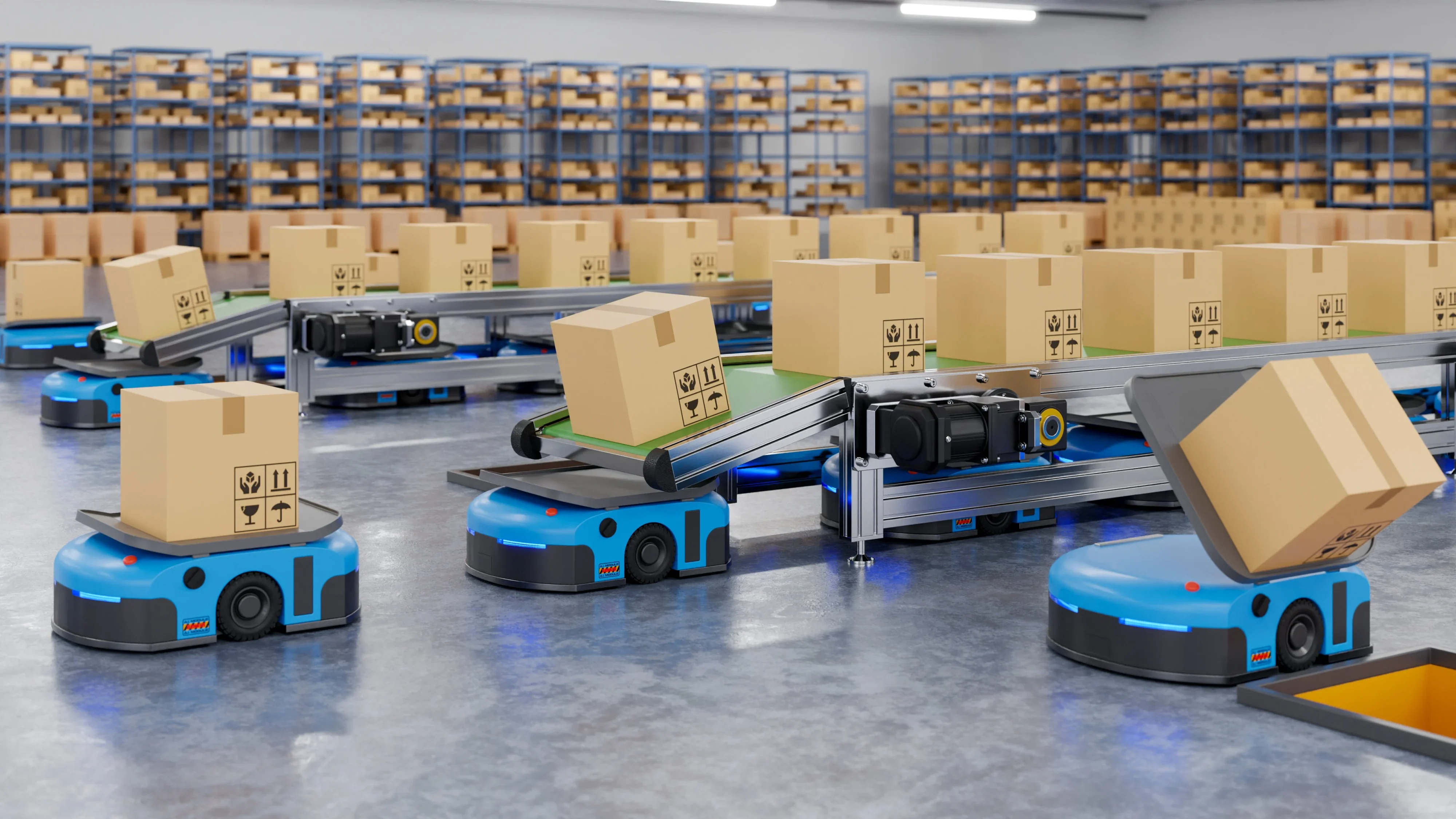
Automation and Robotics
Warehouses and manufacturing units are increasingly automated, improving efficiency and reducing errors.
Resilient Supply Chains
Businesses are focusing on:
- Diversifying suppliers
- Building inventory buffers
- Enhancing risk management strategies
Sustainable Practices
Green supply chains are becoming a priority, with emphasis on:
- Renewable energy usage
- Circular economy models
- Reduced waste
Impact on Small and Medium Enterprises (SMEs)
Global supply chains are no longer limited to large corporations. SMEs benefit from:
- Access to international markets
- E-commerce platforms
- Digital logistics solutions
However, they also face challenges such as limited resources and higher vulnerability to disruptions.
Conclusion
Global supply chains are a driving force behind industrial growth and economic development. While they offer immense opportunities for expansion, efficiency, and innovation, they also come with risks that require careful management. As industries adapt to changing global dynamics, the focus is shifting toward resilience, sustainability, and technological integration to ensure long-term growth.
Frequently Asked Questions (FAQs)
1. Why are global supply chains important for industries?
They enable industries to access global markets, reduce costs, and scale production efficiently.
2. What are the main risks in global supply chains?
Key risks include disruptions, geopolitical tensions, rising costs, and over-dependence on specific regions.
3. How does technology improve supply chains?
Technology enhances visibility, improves forecasting, automates processes, and reduces inefficiencies.
4. What is nearshoring in supply chains?
Nearshoring involves relocating production closer to the target market to reduce transportation costs and risks.
5. How do supply chains affect consumers?
Efficient supply chains ensure faster delivery, lower prices, and better product availability.
6. What is a sustainable supply chain?
It focuses on minimizing environmental impact, ethical sourcing, and reducing waste across operations.
7. Can small businesses benefit from global supply chains?
Yes, with digital tools and e-commerce, small businesses can access international markets and suppliers more easily.
Comments are closed.